Predicting the Future
Predictive analytics in data science rest on the shoulders of explanatory data analysis, which is precisely what we were discussing in our previous article – The What, Where and How of Data for Data Science.
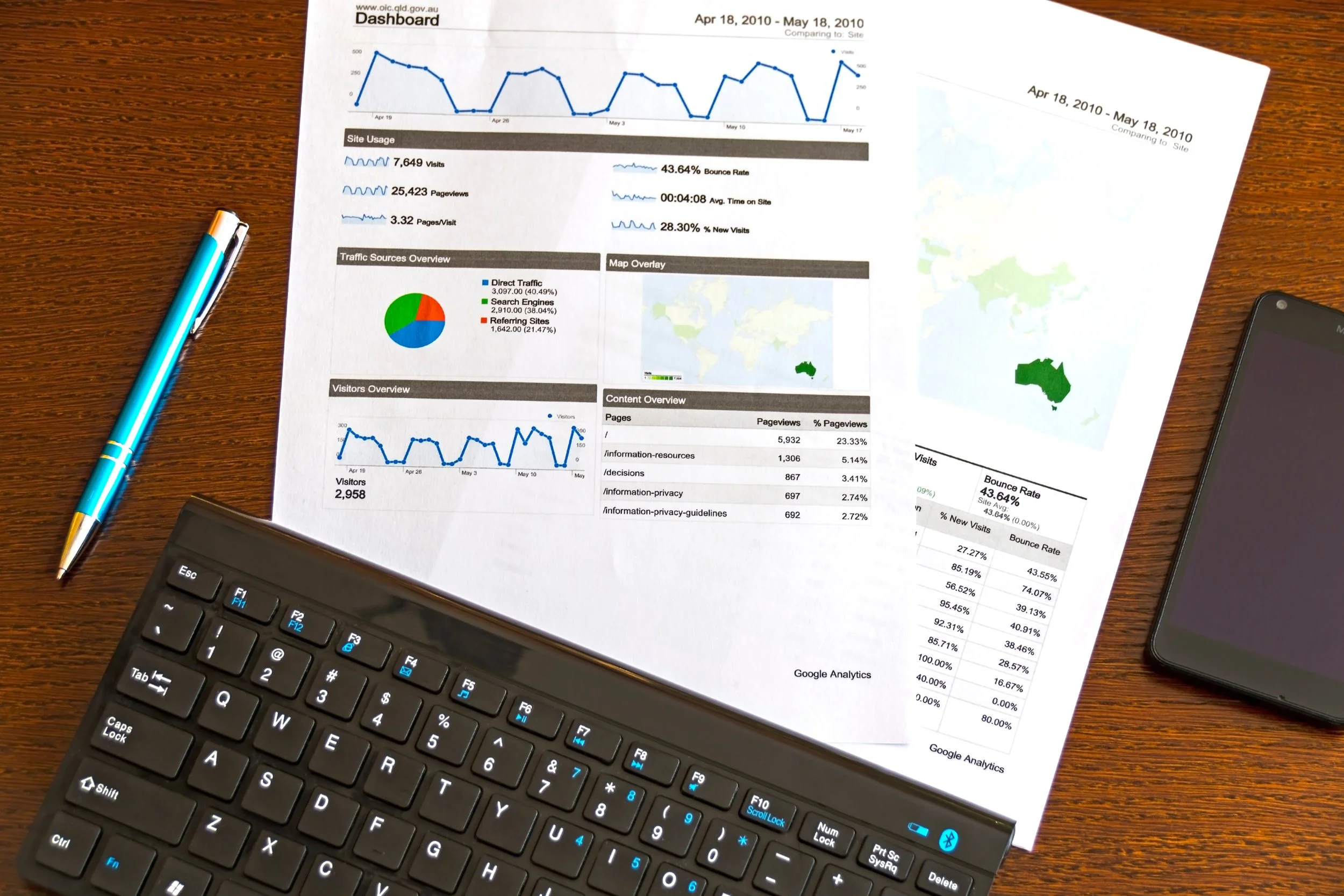
In fact, everything is connected. Once the BI reports and dashboards have been prepared and insights extracted, this information becomes the basis for predicting future values.
Traditional forecasting methods in Data Science
Traditional forecasting methods comprise classical statistical methods such as linear regression, logistic regression, clustering, factor analysis, and time series.
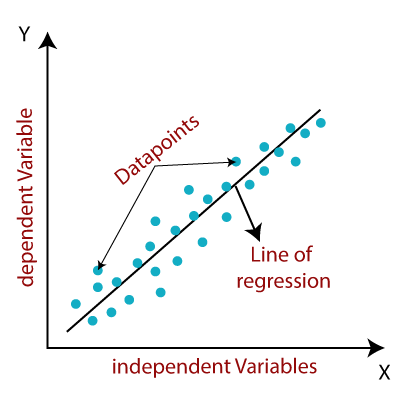
Linear regression
Linear regression quantifies causal relationships between variables such as house prices, size, location, and year built.
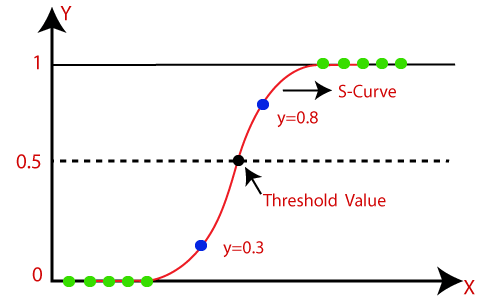
Logistic regression
Logistic regression creates non-linear models using probabilities represented as 0s and 1s.
Cluster analysis
Cluster analysis groups observations that share similarities and helps discover new predictors.
Factor analysis
Factor analysis reduces dimensionality by grouping related features together.
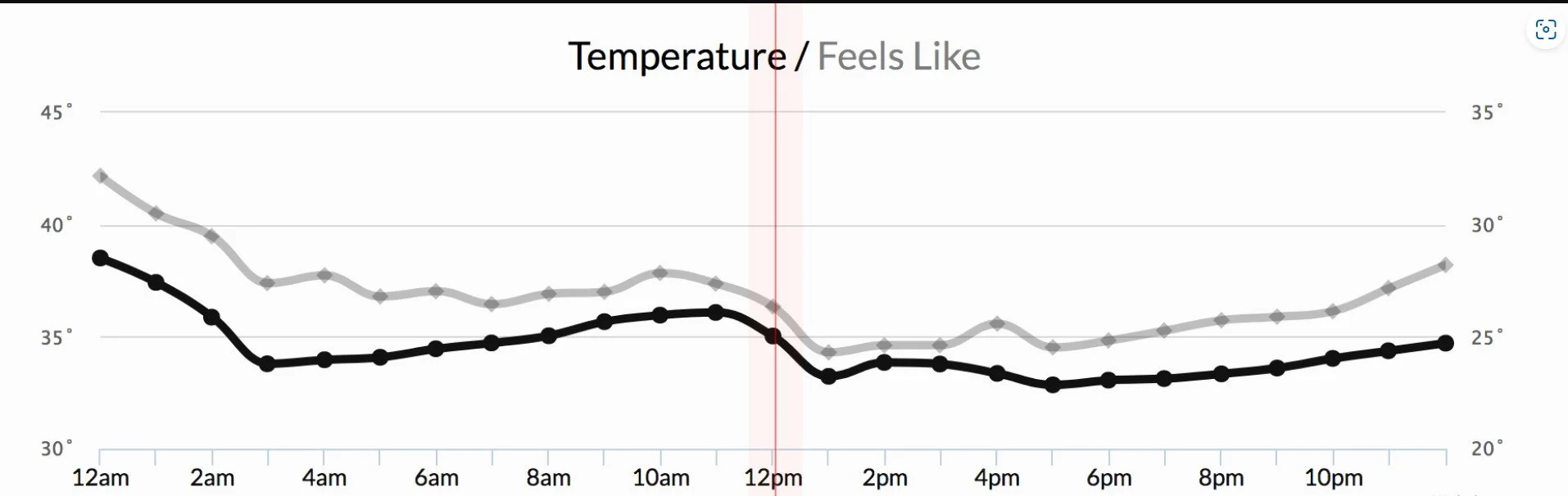
Time series analysis
Time series analysis tracks values over time and is commonly used in economics and finance.
Machine Learning and Data Science
Machine learning represents the state-of-the-art approach to data science. Unlike traditional methods, machines learn patterns autonomously.
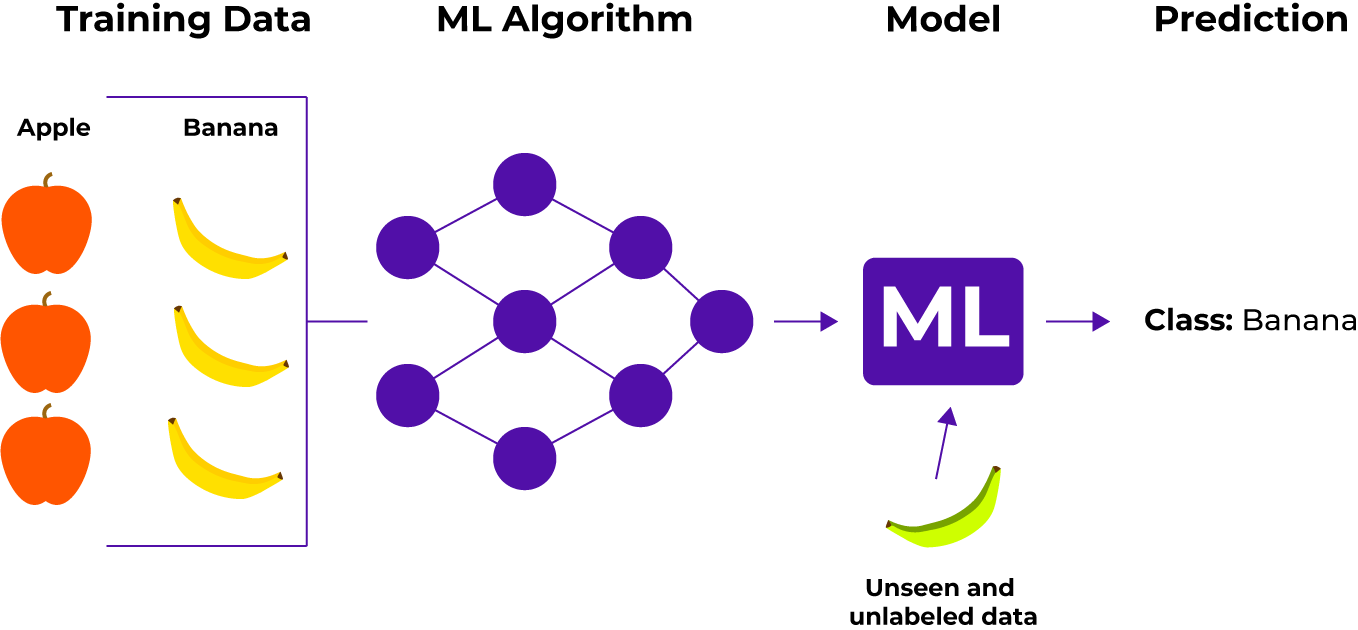
Types of Machine Learning
Supervised learning
Supervised learning relies on labeled data to train predictive models.
Unsupervised learning
Unsupervised learning discovers patterns in unlabeled data.
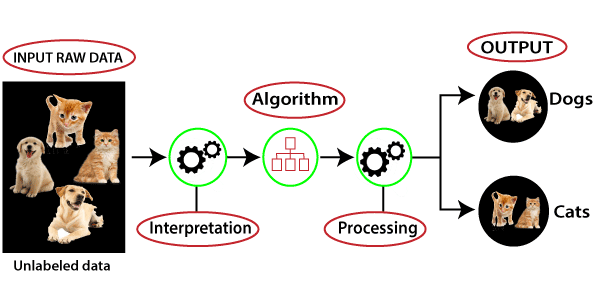
Reinforcement learning
Reinforcement learning focuses on maximizing rewards rather than minimizing errors.

This is Data Science
Data science encompasses traditional data handling, BI, and advanced machine learning techniques.